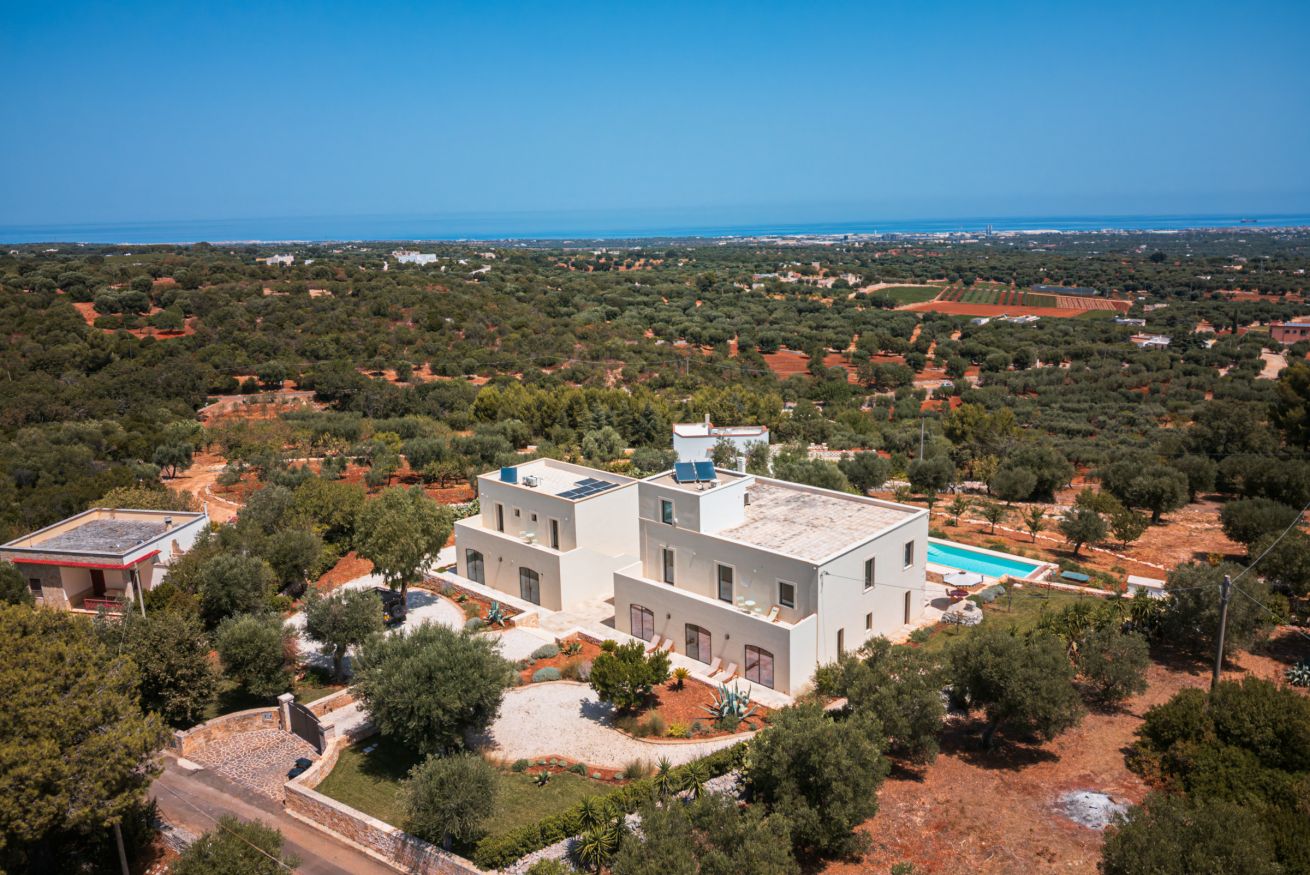
Spring in Puglia: 3 day weekend in the Itria Valley between white Villages, Masserie and the Adriatic Sea
Spring in Puglia: a 3 day weekend in the Itria Valley
white vllages, authentic restaurants and the Adriatic Coast
Spring is one of the best seasons to discover Puglia.
Temperatures are mild, landscapes are green and historic villages can be explored without the summer crowds.
This 3 day itinerary in the Itria Valley is designed for a real weekend trip: arrival in Bari on friday and departure on Sunday evening. It includes some of the most beautiful destinations in the region: Locorotondo, Alberobello, Cisternino, Ostuni and Monopoli.
Day 1
Locorotondo the circular village of the Itria Valley
Located about one hour from Bari Airport, Locorotondo is considered one of the most elegant white villages in Puglia.
The name comes from the Latin locus rotundus, referring to the circular layout of its historic center. The town developed between the Middle Ages and the Aragonese period and is famous for its cummerse houses, white buildings with steep stone roofs.
Locorotondo is also part of the Most Beautiful Villages of Italy and is known for producing the Locorotondo DOC white wine.
What to see in Locorotondo
Church of San Giorgio Martire
Palazzo Morelli
Belvedere overlooking the Itria Valley
Circular walking route through the historic center
Suggested visit time: 1.5 , 2 hours
Where to eat in Locorotondo
U' Curdunn
Via Dura 19
Tel +39 080 4311341
Bina Ristorante di Puglia
Via Recchia 44/50
Tel +39 080 4311101
Day 2
Alberobello, Cisternino and Ostuni
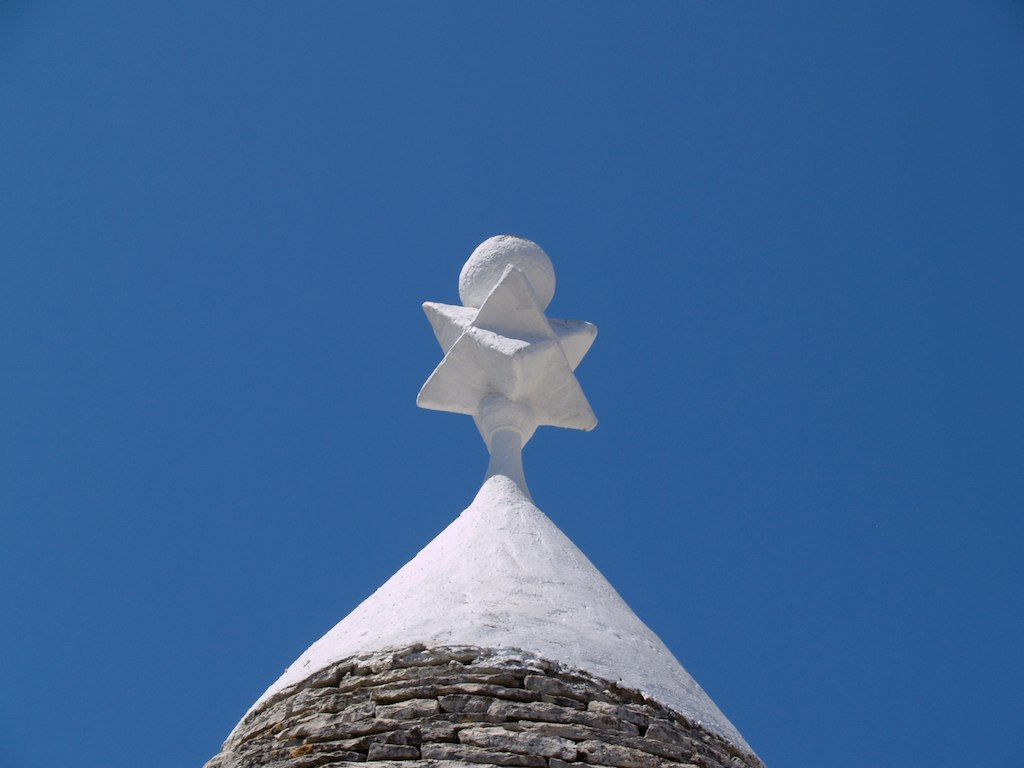
Alberobello
Alberobello is the symbolic town of the Itria Valley and since 1996 it has been a UNESCO World Heritage Site thanks to its famous trulli, dry-stone houses with conical roofs dating back to the 15th century.
Historically these buildings could be dismantled quickly to avoid feudal taxation imposed by the Kingdom of Naples.
The town is divided into two districts:
Rione Monti, the most scenic and touristic
Aia Piccola, quieter and more authentic
What to see in Alberobello
Rione Monti
Rione Aia Piccola
Trullo Sovrano
Casa Pezzolla Museum
Suggested visit time: about 2 hours
Where to eat
Trattoria Terra Madre
Via Giuseppe Verdi 12
Tel +39 080 4321913
Cisternino
Cisternino has very ancient origins with Messapian and Roman settlements. The village developed during the medieval period around a Norman tower and still preserves its original structure of narrow streets, arches and limestone stairways.
The historic center is also famous for its traditional butcher shops with fornello pronto, where you can choose fresh meat such as bombette and have it grilled on the spot.
What to see in Cisternino
Piazza Vittorio Emanuele
Norman-Swabian Tower
Church of San Nicola
Traditional butcher restaurants
Suggested visit time: about 1.5 hours
Lunch in a Masseria in the Itria Valley
Masseria Il Frantoio
SS16 km 874
Tel +39 0831 330276
Masseria Montenapoleone
Contrada Bicocca 8
Tel +39 080 4829311
Ostuni the white City

Ostuni is one of the most iconic destinations in Puglia. Built on three hills about 200 meters above sea level, it overlooks the vast plain of ancient olive trees and the Adriatic Sea.
The area has been inhabited since the Paleolithic era, as demonstrated by the discovery of the famous Ostuni Woman. Over the centuries the town was ruled by Messapians, Romans, Byzantines, Normans and Swabians, shaping the dense network of narrow streets seen today.
The white color of the houses, which gave Ostuni the nickname white City, originally had hygienic and sanitary purposes, especially during periods of plague.
What to see in Ostuni
Cathedral of Santa Maria Assunta
Diocesan Museum
Panoramic city walls
Arco Scoppa
Suggested visit time: about 2 hours
Recommended dinner
Osteria del Tempo Perso
Via G. Tanzarella Vitale 47
Tel +39 0831 304819
Day 3
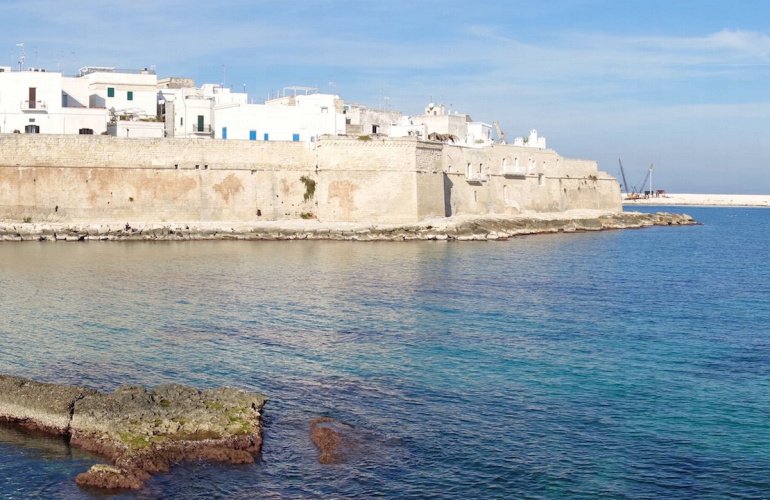
Monopoli and the Adriatic Coast
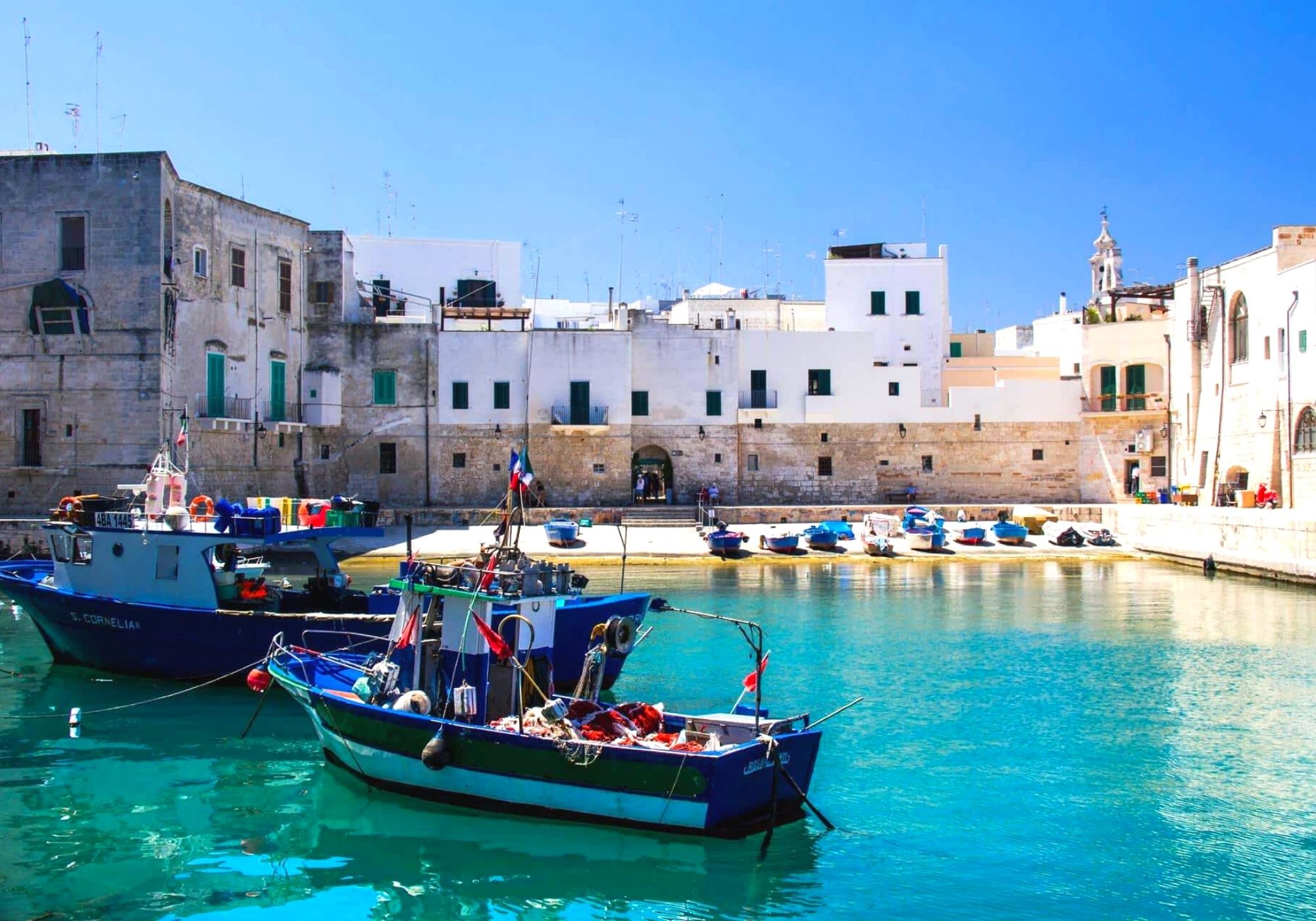
Monopoli is one of the most important coastal towns of central Puglia.
Its name likely comes from the Greek Monos Polis, meaning single city, referring to its historical role as a strategic commercial port.
The first settlements date back to the Messapian and Roman periods, when the natural harbor was a key trading hub in the Adriatic. During the Middle Ages the city was contested by Byzantines, Normans and Swabians, while the Aragonese period left a strong defensive architecture.
The symbol of this era is the Castle of Charles V, built in the 16th century to defend the coast from Ottoman attacks.
Today the historic center is a maze of white alleys, baroque churches and sea-facing squares.
What to see in Monopoli
Old Harbor
Castle of Charles V
Cathedral of Maria Santissima della Madia
Cala Porta Vecchia beach
Seafront promenade
Suggested visit time: 2 ,3 hours
Lunch with sea view
La Locanda sul Porto
Via Cristoforo Colombo 10/11
Tel +39 080 9371985
Where to stay in the Itria Valley
WhatsApp +39 327 611 4775
www.helloapulia.it